
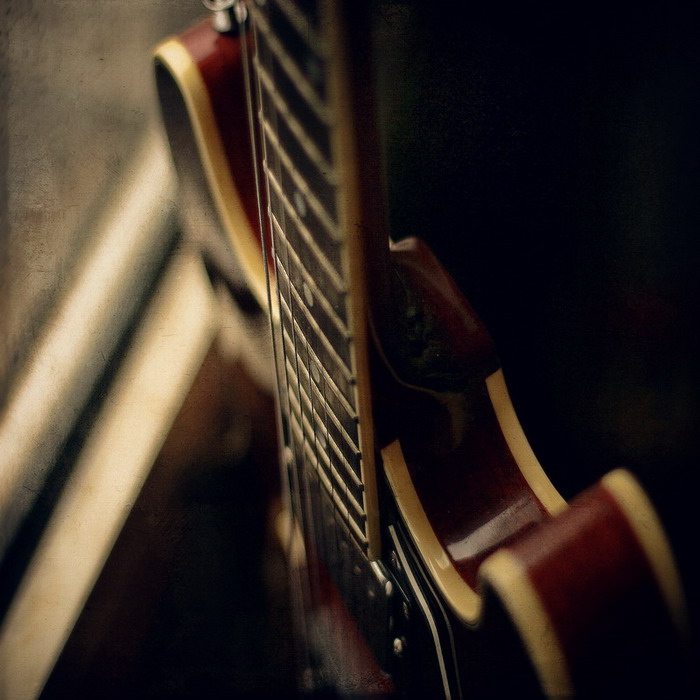
Worship music, like any other form of musical expression, has many elements that help to make it a musical success. Firstly, it must be spiritually motivated and sincere. Secondly, it must be musically moving and relevant as well. The last thing a musician wants to do is get in the way of what the Holy Spirit is doing in worship. In this blog we’ll look at a few keys to getting great tone starting with the basics.
Don’t think that you have to be the best player! Some of the “best” are not the flashiest, or the fastest, (or the best dressed)! What makes them the best is their mastery of their tone. You could play the least amount of notes and still be the most musically relevant player because you’ve mastered your tone and played when and where it counted!
Let’s look at a few ways to be the tone “king” so to speak…
1. Listen!
Take a listen to people you think have “it” and you know what I mean. There are players out there that have “it”, that perfect combination of feel and touch. I’d like to name a few in the secular world. These guys are tinkerers for sure. They’ve spent many a quiet night studying what great tone involves and how to get the best out of that guitar/ amp relationship.-
The Edge – changes guitars for nearly every song in the set, and has a backup of the same model (sometimes the same year) for that guitar. He uses gibsons, fenders, and gretsch guitars with vintage Vox and Fender amps.
Keith Urban – started out his career on a telecaster but has been seen lately using a Gibson Les Paul junior with a single P-90 pickup. He pairs them with nothing but the best in tube amps by 65 amps

- Image via Wikipedia

John Mayer – is usually seen with a strat slung around his neck paired with his signature Two Rock amps
Although the christian music world is not known firstly for their individual players, there are many who I respect for their tone as well.
Lincoln Brewster – Uses custom made, maple neck Fender Relic strats through Marshall tube amps for recording. Something I find interesting about Lincoln is the fact that he uses his Line 6 Pod x3 Live while out on the road touring. The key is that he’s taken the time to listen to what the real amp is supposed to sound like and mimicked it perfectly.
Stu G (Delirious?) – has been seen playing his Gibson ES-135 with P-90 pickups but is as comfortable with a strat or a telecaster as well. He plays them through a Marshall JTM45.
2. Read!
There are so many resources either in print or on the web on building great tone. Start there. Pick up one of many great magazines that are dedicated to players. Ones that I enjoy are Premier Guitar or Guitar Player.I like Premier Guitar because you can view their complete magazine from cover to cover right on the web! Pretty cool.
Inside, you’ll find articles on some of the key players and what they’re using to help shape their tone as well as who they listened to when they were starting out. You’ll also find very helpful reviews on some of the latest and greatest gear out there. Dive in to articles written on the difference of one amp to another or what makes a single coil equipped guitar sound completely different than one that has humbuckers in it (if you don’t know the difference between them, tune in to later blog posts!).
3. Play!
And then play some more. The best thing you can do is imitate the greats, not only in the style but also in the tone department. Sit down with your instrument plugged in to an amp and fiddle around. Figure out what happens when you turn up each knob individually and what it does to your sound. Start with the gain knob down all the way and the volume at a reasonable level. Turn all of the tone (treble, mid, bass) knobs to 12 o’clock. Find out what happens when you mess with the tone.
What sounds good?
What simply doesn’t work?
Change the gain settings. I like it when the gain is just up enough that your tone starts break up just a little when you really dig in to the strings but cleans up nicely when you play less aggressively. Noodle and poke around as much as you possibly can.
Take control of your sound!
Maybe head to the local guitar shop and play as many different amps and guitars as you can. Figure out what makes one better than the next.
Does the amp have tubes or is it solidstate?
What kind of wood is a certain guitar made of?
Does the amp have more that one channel?
Or does it do one sound really well?
Take the time to learn about each one.
Well, these are the building blocks to great tone. A piece of wood with 6 strings attached and a box with a speaker in it. It sounds simple enough but there’s so much more!! In the next few blogs, we’ll look at different kinds of amps and guitars in all price ranges. My hope is to give worship guitarists of all skill ranges the tools needed to help to further what God is already doing in worship, which is leading His people to a more intimate relationship with Him. Let’s play our best for Him!
If you enjoyed this blog, please share it on delicious.com or digg.com!! Thanks.
![Reblog this post [with Zemanta]](https://i0.wp.com/img.zemanta.com/reblog_e.png)
 Worship that works